
Description
Abies bornmuelleriana – Turkish Fir
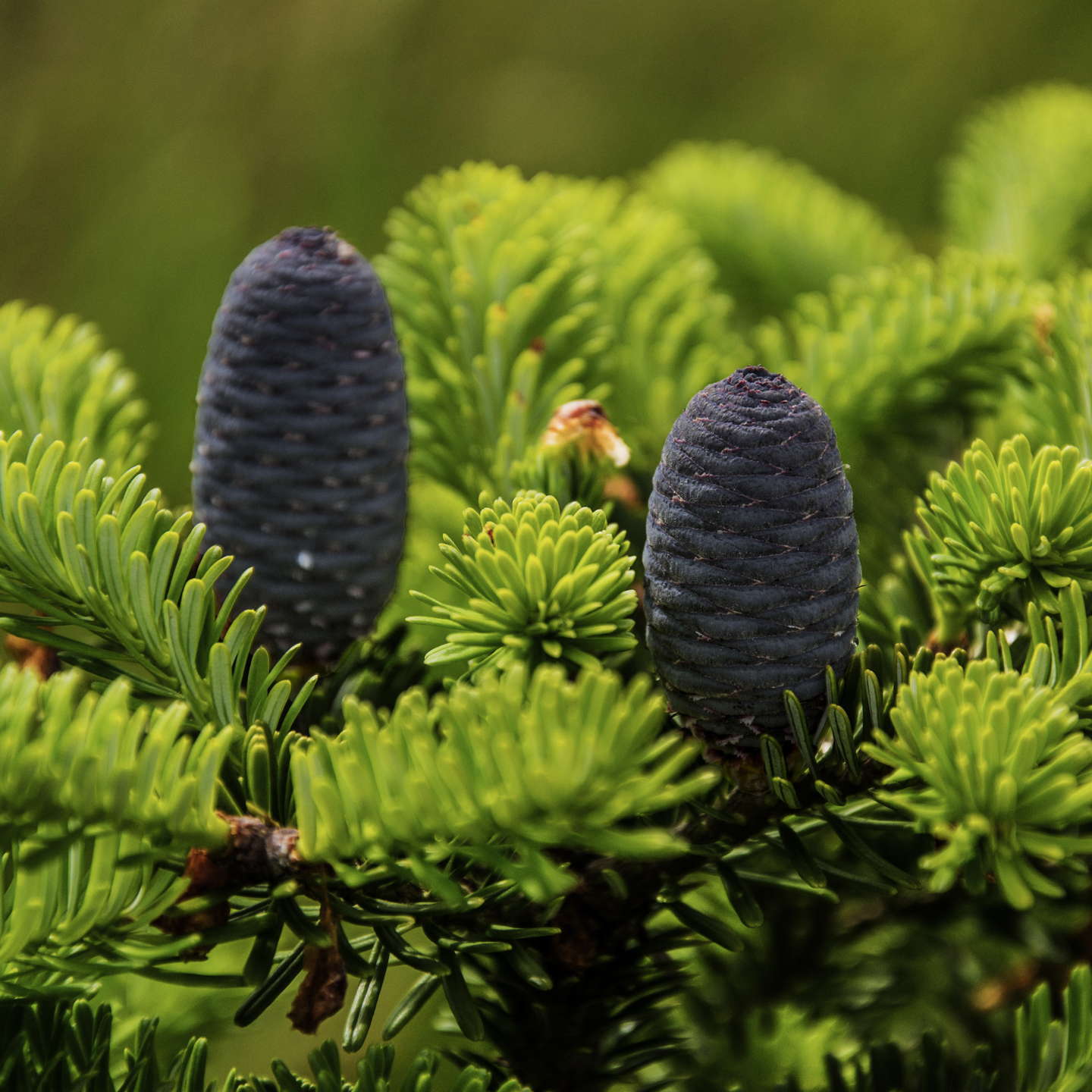
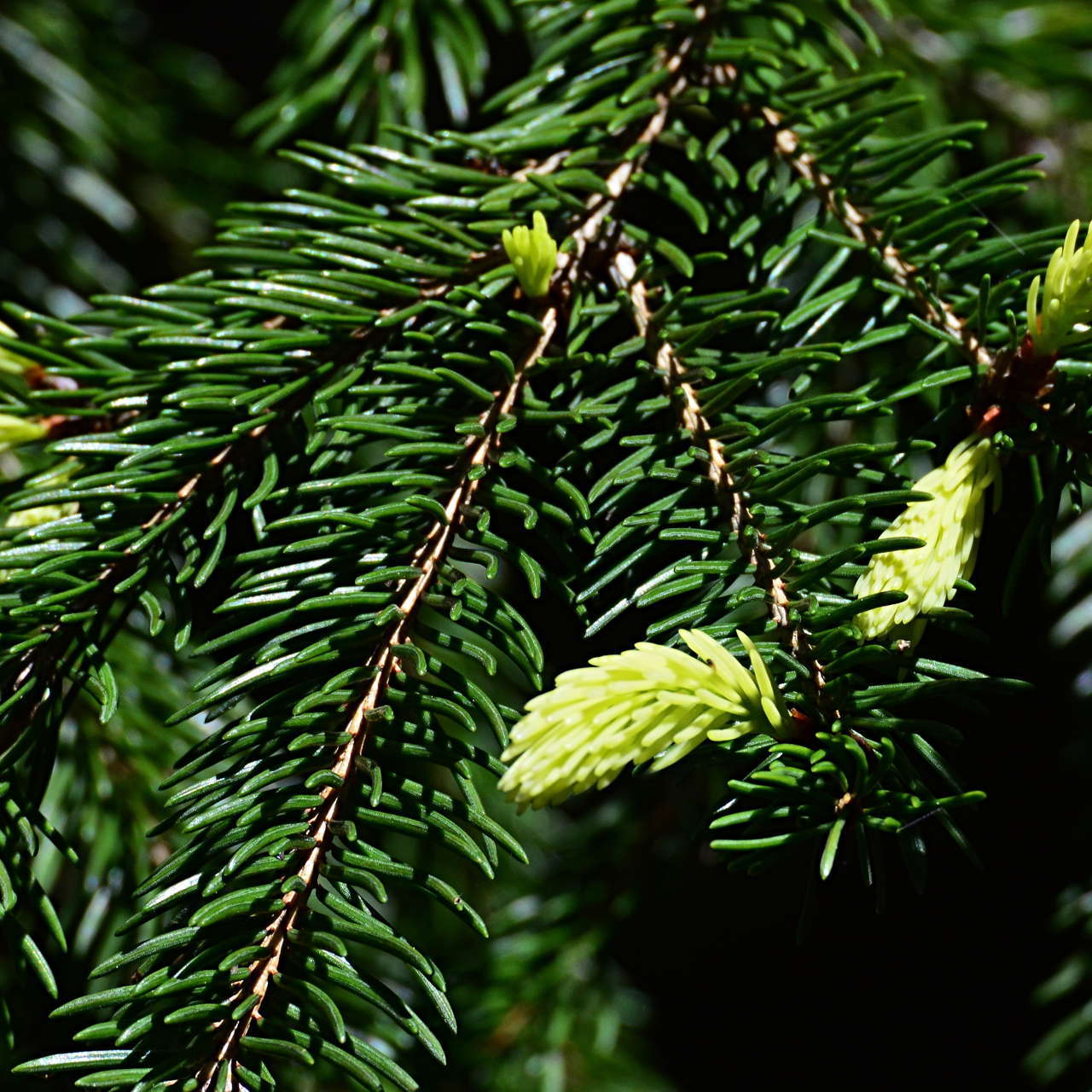
Brief Description: The Turkish Fir, originating from the Pontic Mountains of Northern Anatolia, is one of the most robust and drought-tolerant fir species for Central European conditions. With its dense, conical crown, strong dark green needles, and silvery-white needle undersides, it resembles the native Silver Fir – but significantly surpasses it in heat and drought tolerance. As a climate change tree species, it is highly interesting and still far too little known.
- Alternative to Silver Fir due to high drought tolerance
- Attractive growth habit and formation of straight, knot-free trunks up to 40m in height
- Lightweight wood, traded as an alternative to spruce wood
- Partial shade tree
- Also used as a Christmas tree, susceptible to late frost
- Taproot – later heart root system
Climatic Characteristics & Site Conditions: The Turkish Fir originates from a climate with hot, dry summers and cold winters, tolerating summer drought and heat significantly better than native fir species. This makes it excellently suited for the warming regions of Southern Germany – wherever the Silver Fir increasingly suffers from climate stress. It thrives in acidic to moderately calcareous, deep, and well-drained soils. Winter hardy down to –25 °C. It does not tolerate waterlogging.
Advantages: Significantly more drought- and heat-tolerant than native Silver Fir, winter hardy, attractive habit, forward-looking climate change tree species, adaptable to various soils.
Disadvantages: Very rare in trade, little tested in Central Europe, not native, requires ample space, no waterlogging, no ecological value for native fauna.


