
Description
Betula maximowicziana – Bronze Birch
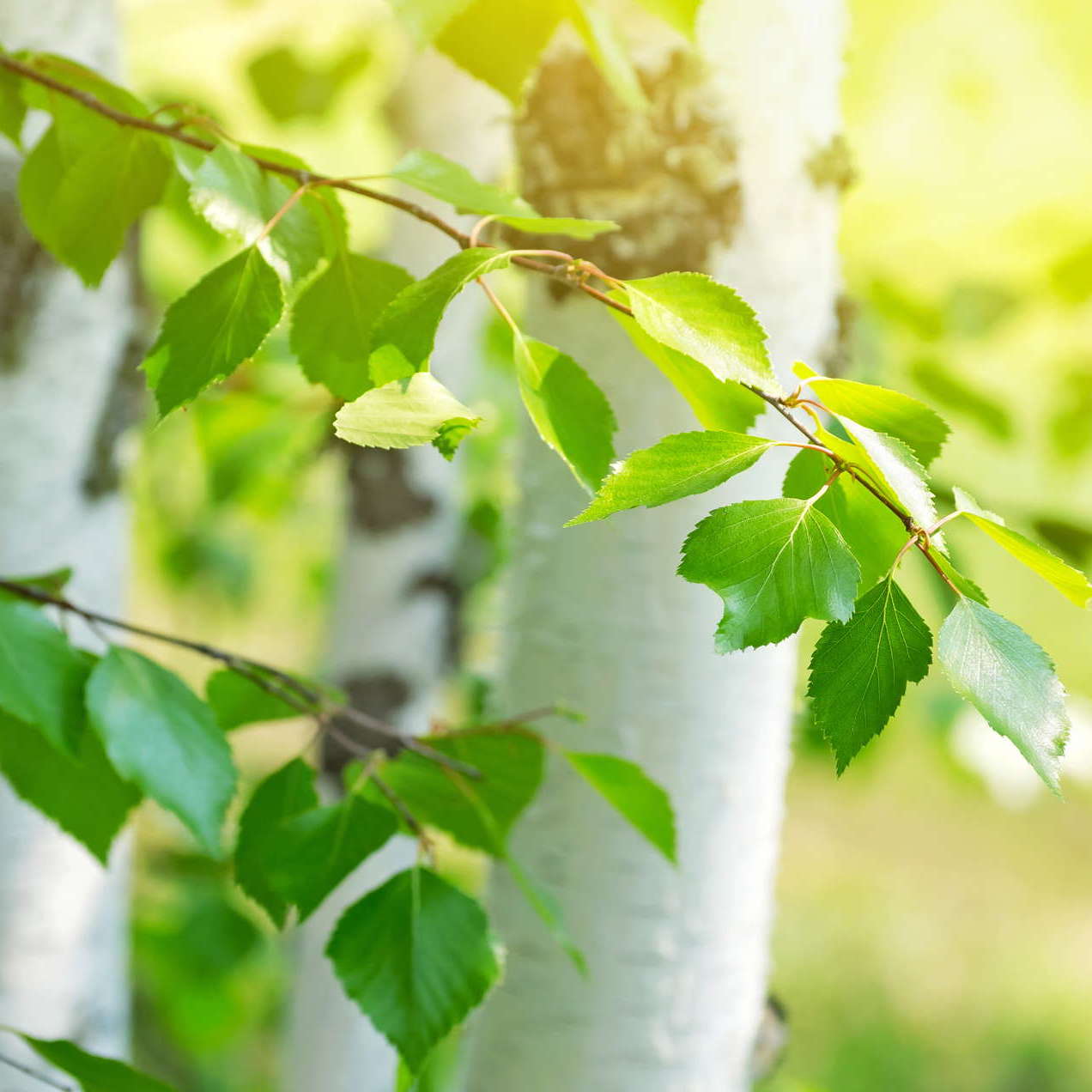
Brief Description: The Bronze Birch from Japan and Korea is the largest-leaved birch species in the world – with heart-shaped leaves up to 15 cm long that glow in brilliant golden yellow in autumn. The creamy-white to slightly orange bark and vigorous, upright growth make it an attractive alternative to native birches for anyone seeking something extraordinary. As a specimen tree or planted in groups, it is a real eye-catcher.
- Handles climate extremes very well
- very vigorous with straight stem form
- more flexible and tolerant towards other tree species than native birches
- interesting for valuable timber production
- Wood: pink to pinkish color streak = Cherry tree!
- Partial shade tree species
- Height 20-30 m, heart root system
Climatic Properties & Site Requirements: The Bronze Birch is winter-hardy to –25 °C and suitable for all regions of southern Germany. It prefers fresh, well-drained soils on acidic to neutral basis and does not tolerate permanently waterlogged sites. Compared to the native Silver Birch, it is somewhat more demanding regarding soil moisture – on very dry, shallow soils it grows less well. In fresh locations of the Alpine foothills, the Allgäu and the Black Forest, it thrives particularly well.
Advantages: Unusually large foliage with magnificent autumn gold, attractive bark, fast growth, winter-hardy, suitable for all southern German regions, botanically rare and distinctive.
Disadvantages: Not native – lower ecological value than native birches, less suitable on very dry soils, no permanently waterlogged sites, heavy pollen production relevant for allergies, rarely available commercially.


