
Description
Larix × eurolepis – Dunkeld Larch
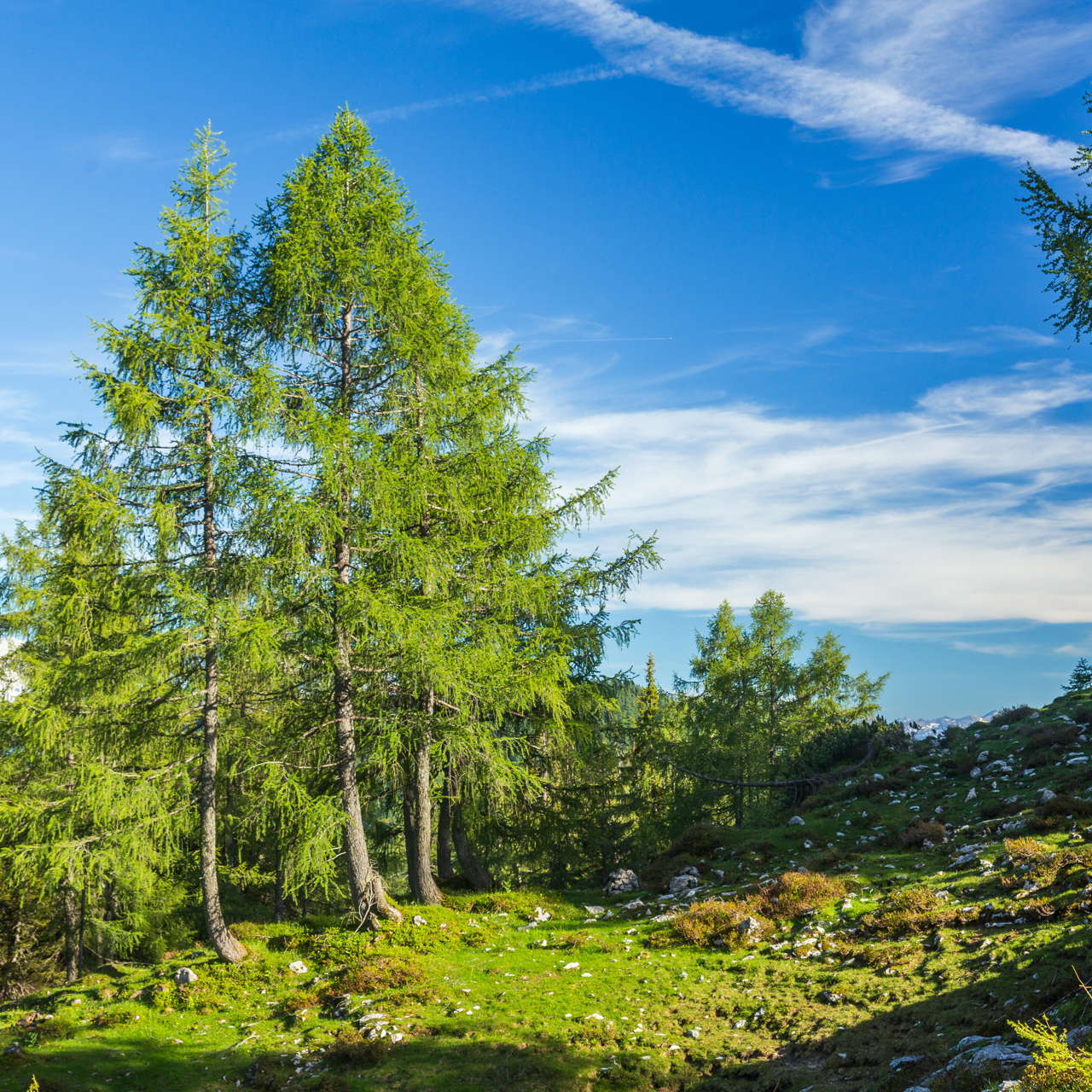
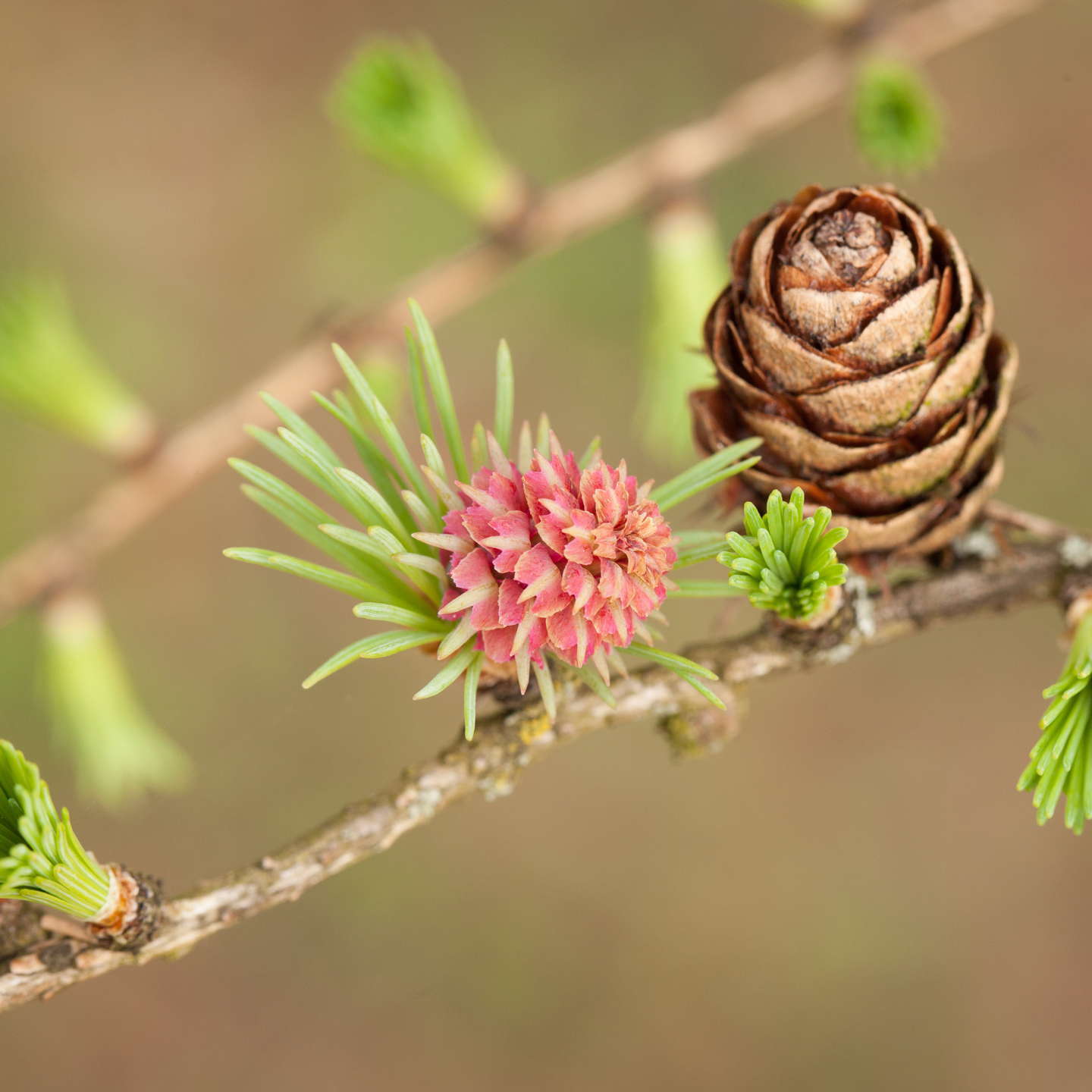
Brief description: The Dunkeld larch is a cross between the European larch and the Japanese larch – and significantly outperforms both parents in growth rate and robustness. It grows faster, is more resistant to larch canker, and tolerates a wider range of sites than the European larch. The golden-yellow autumn foliage and the delicate green spring shoots are just as attractive as those of the parent species – a tree of strength with the charm of the larch.
- Use as construction timber
- Very durable wood, insensitive to moisture
- Higher genetic diversity than other larch species (Larix decidua x Larix kaempferi)
- Faster growth than other larch species
- Growth height 40 m
- Absolute pioneer species (light-demanding)
- Prefers calcareous soils, copes well with stony and dry soils
- Strong heart root system
- Very suitable for mixing with spruce
Climatic properties & site conditions: The Dunkeld larch is more adaptable than its parent species and copes with a wider range of sites – from cool mountain regions to warmer lowlands. It is hardy down to –25 °C. It prefers well-drained, fresh to moderately dry soils on an acidic to neutral basis. It does not tolerate waterlogging. For the Black Forest, the Alpine foothills, and altitudes up to 1,000 m, it is a vigorous and robust choice – more robust than the European larch in warmer locations.
Advantages: Significantly faster growth than European larch, more resistant to larch canker, wider range of sites, attractive autumn gold, hardy, valuable for forestry and landscaping.
Disadvantages: Not native as a hybrid, requires a lot of space, deciduous – not evergreen, does not tolerate waterlogging, needle litter slightly acidifies soil, less suitable for very dry sites.


