
Description
Cedrus atlantica – Atlas Cedar
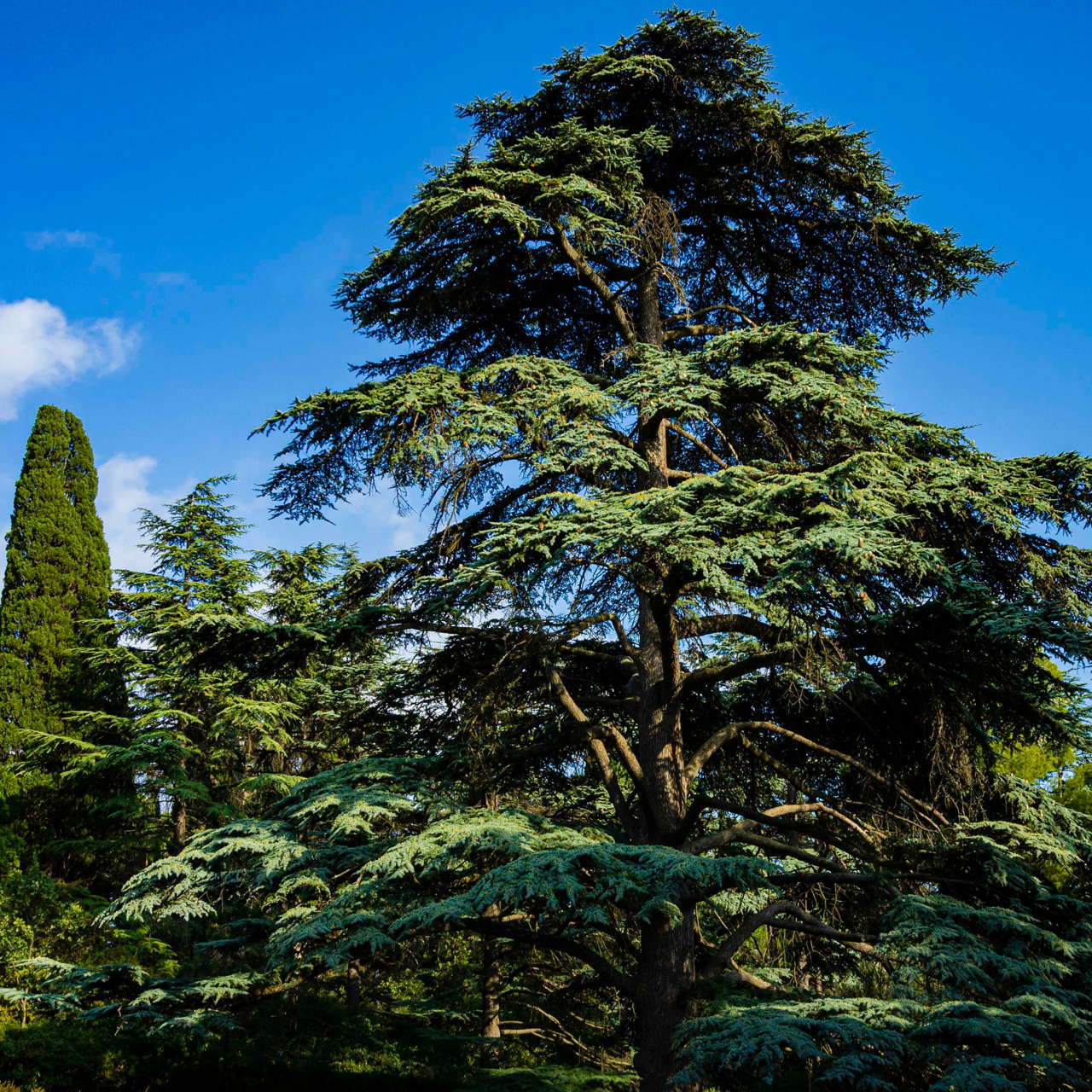
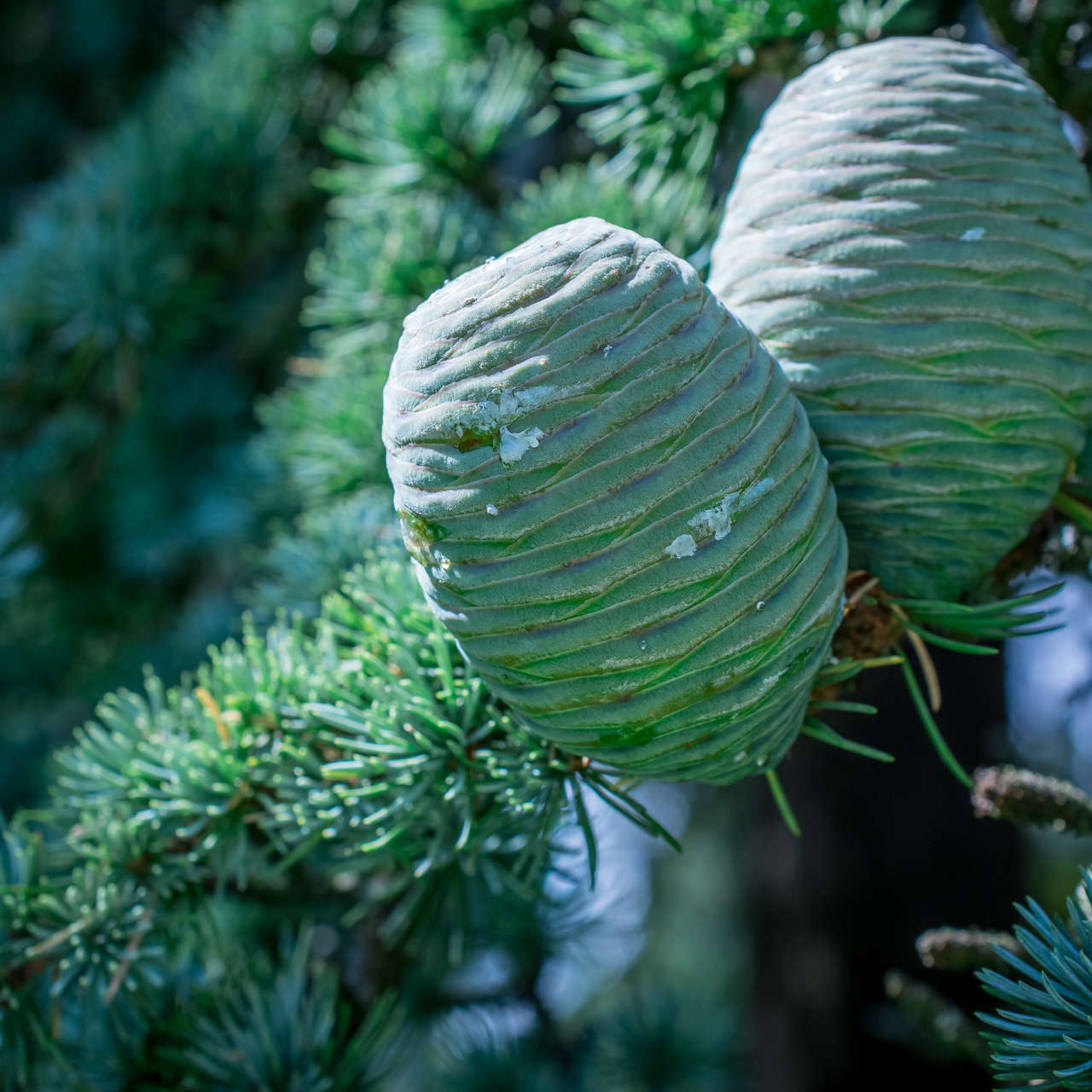
Brief Description: Originating from the North African Atlas Mountains, the Atlas Cedar is the most robust and drought-tolerant of the three cedar species – making it the best choice for conditions in Southern Germany. With its ascending crown, which spreads out table-like with age, its silvery-blue needles, and characteristic upright cones, it is a majestic solitary tree for parks and large gardens. The ‘Glauca’ cultivar, known for its particularly blue needles, is the most popular selection.
- Less susceptible to late frosts
- Drought-tolerant, though less so than the Cedar of Lebanon
- Bluer than Cedar of Lebanon
- Otherwise, the characteristics of the Cedar of Lebanon apply
Climatic Properties & Site Conditions: The Atlas Cedar tolerates drought, heat, and calcareous soils exceptionally well – making it the best suited of all cedar species for the warmer and drier regions of Southern Germany. The Rhine Plain, Neckar Valley, Franconian warm regions, and the calcareous sites of the Swabian Jura are ideal locations. Winter hardy down to –20 to –25 °C; young plants may be more frost-sensitive in exposed locations. It does not tolerate waterlogging or compacted soils.
Advantages: Most drought and lime-tolerant cedar species, imposing habit, silvery-blue needles, evergreen, long-lived, ideally suited for warm regions of Southern Germany, majestic silhouette.
Disadvantages: Requires ample space – not a tree for home gardens, does not tolerate waterlogging, slow juvenile growth, susceptible to frost in exposed high altitudes, not native, no ecological value for native fauna.


