
Description
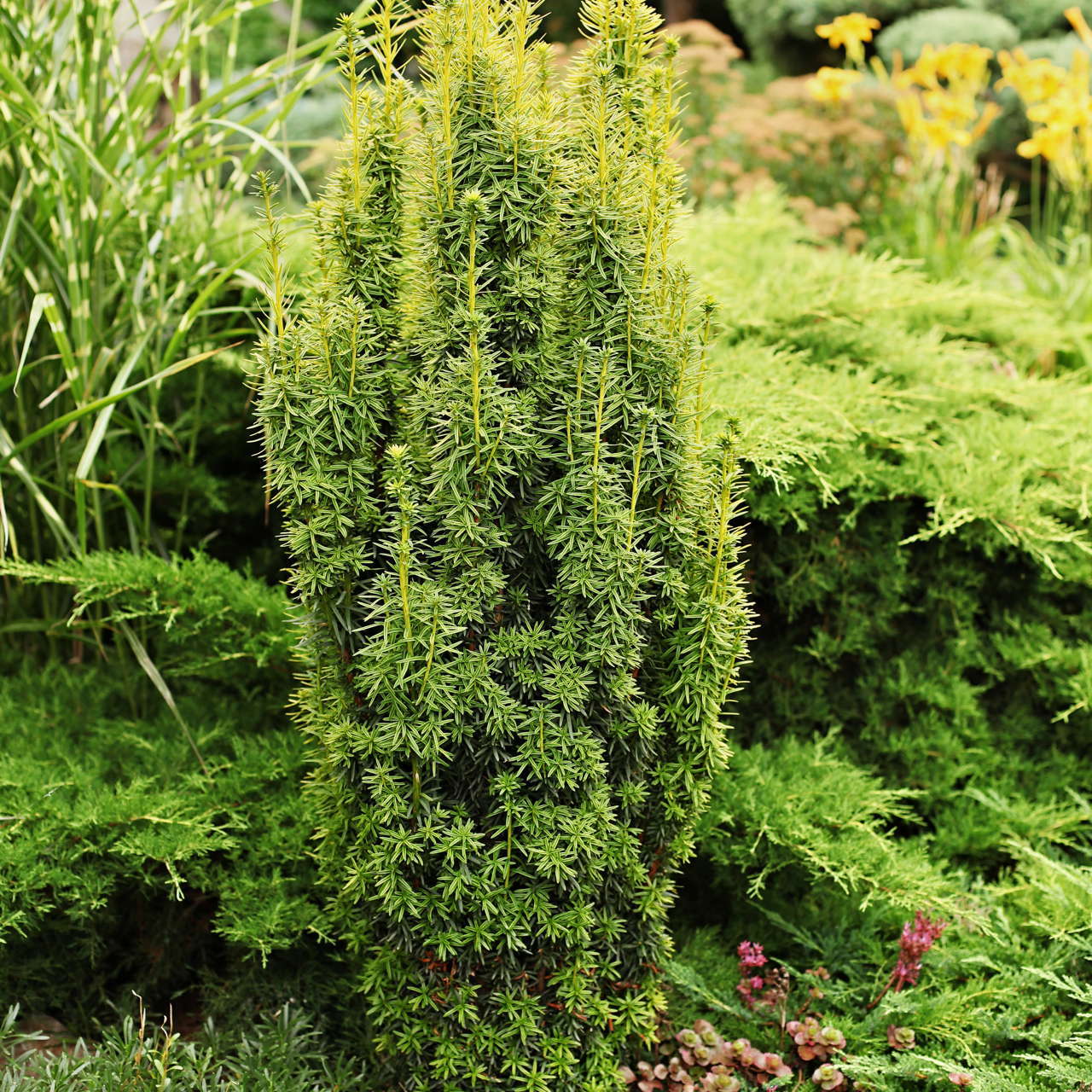
Taxus baccata – Common Yew
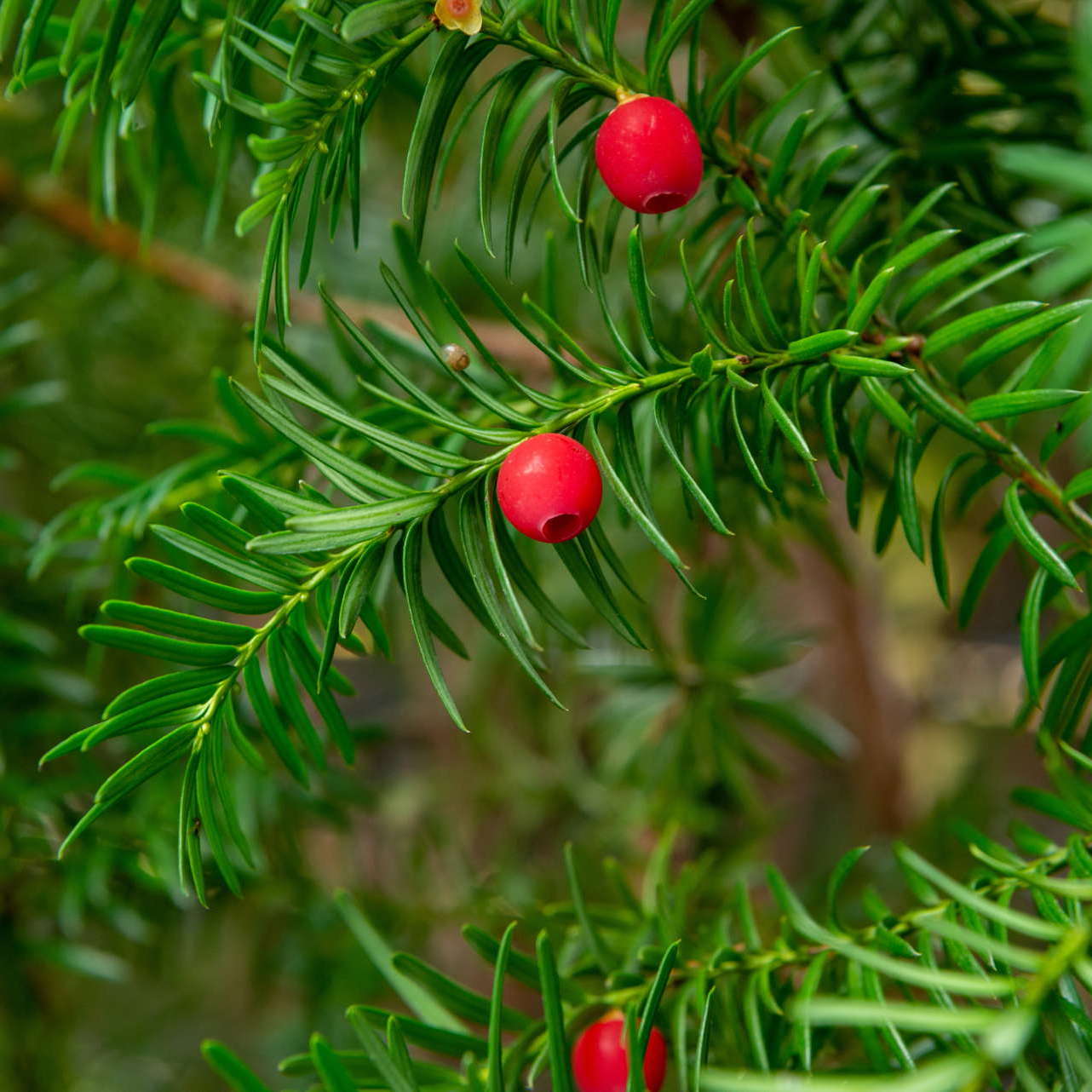
Brief Description: The Common Yew is the queen of native conifers – dark green, shade-tolerant, extremely long-lived and equally suited to formal and naturalistic gardens. As a hedge plant it is unrivalled: dense, tolerates pruning and fully functional even in deep shade. The bright red fruits (arils) are valuable winter food for birds – caution: all other plant parts are highly toxic to humans and many animals.
- 10-12 m tall tree
- achievable age of up to 1000 years
- Deep-rooting
- Shade tree species
- All plant parts highly toxic except the red seed coat
Climatic Properties & Site Requirements: The yew is naturally native to southern Germany, but occurs rarely in the wild as it has been severely decimated by browsing and historical logging. It tolerates low temperatures without problems and is winter-hardy in all southern German locations. Particularly valuable is its shade tolerance – it thrives beneath mature trees where hardly any other woody plant grows. It is sensitive to waterlogged soils; good drainage is important.
Advantages: Extremely shade-tolerant, excellent as hedge plant, very long-lived, native, fruits as bird food, highly versatile for shaping, drought-tolerant once established.
Disadvantages: All plant parts except the red flesh highly toxic – not a suitable woody plant in gardens with small children or grazing animals, slow growth, sensitive to waterlogging, browsing a persistent problem.


