
Description
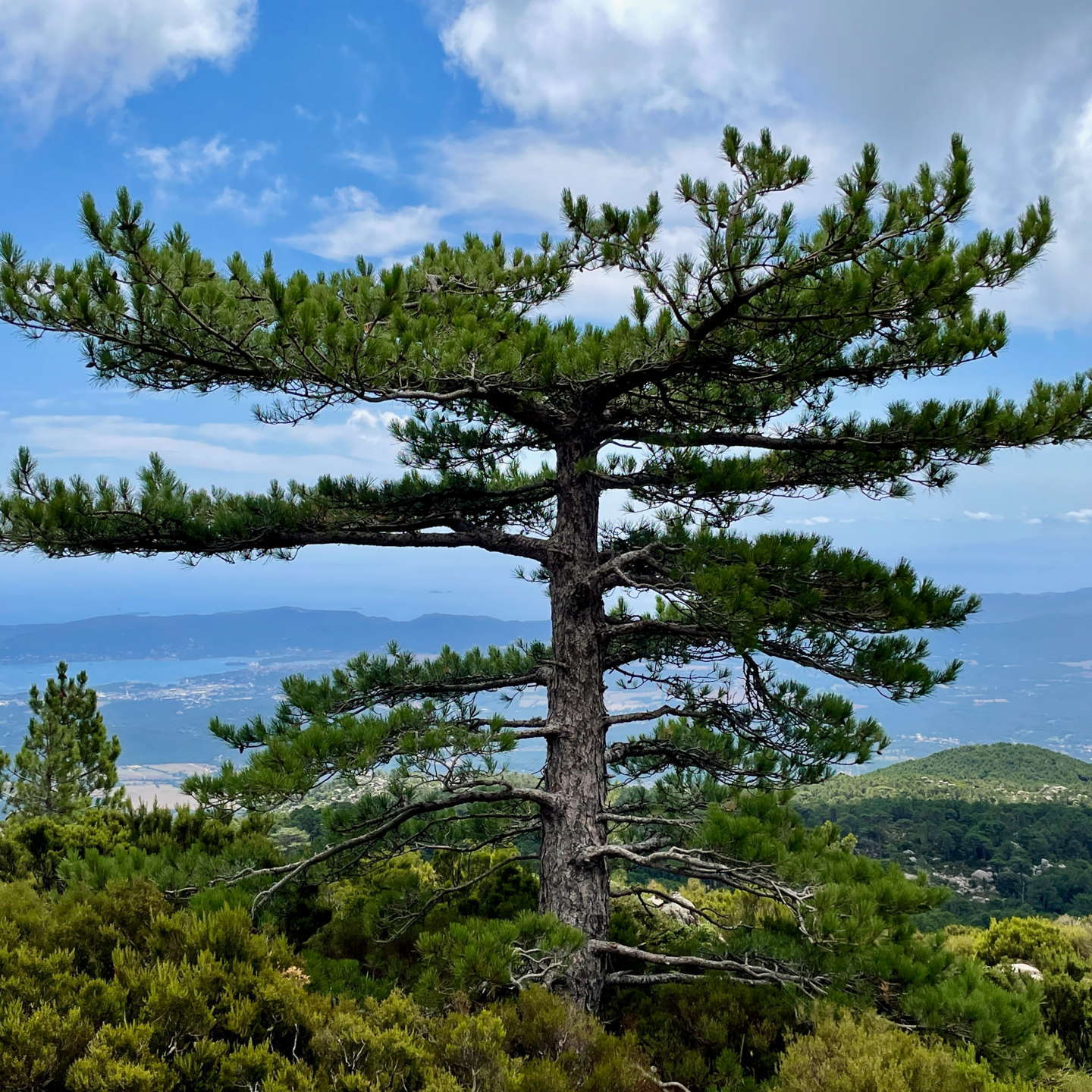
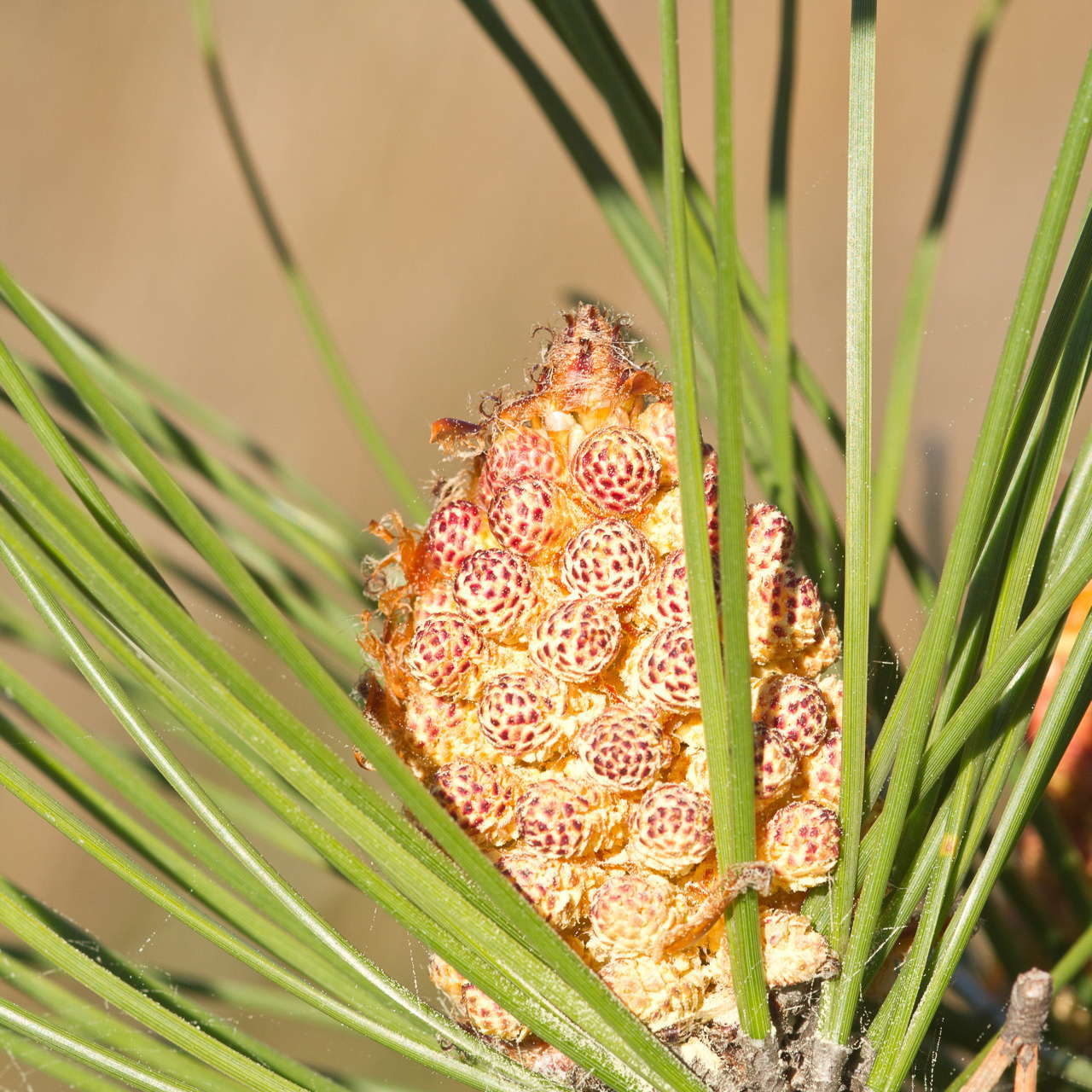
Pinus nigra corsicana – Corsican Pine
Short description: The Corsican pine is one of Europe’s straightest and most forestry-valuable pine species – featuring a slender, uniform crown, vigorous dark green needles, and a distinct tolerance for difficult sites. Compared to the Calabrian black pine, it grows more slender and columnar. As an evergreen specimen tree or windbreak, it provides striking, lasting accents.
- Grows up to 50 m tall
- Subspecies laricio is very drought-tolerant
- Avoid heavy soils
- Frost-hardy after juvenile stage
- Tolerant of air pollution
- Good growth performance
Climatic characteristics & site conditions: The Corsican pine tolerates lime, drought, heat, and wind exposure excellently, making it a proven species for the lime-rich sites of the Swabian Alb, the Franconian Jura, and the Muschelkalk regions of Southern Germany. It grows reliably on shallow, dry soils where other conifers fail. Winter hardy down to –25 °C. It performs poorly on waterlogged or very acidic soils.
Advantages: Straight-growing and well-shaped, very robust on lime and dry sites, wind-tolerant, evergreen, proven for forestry and landscaping, cost-effective.
Disadvantages: High space requirement, less suitable for acidic or waterlogged soils, needle litter can slightly acidify the soil, not suitable for small gardens, not native in its Corsican origin.


